
The pride of doing simple tasks at home and not having to call a professional – like Straton Electrical – to do it is something that is pretty fulfilling. When it comes to electrical work the scope of work that can be done by a DIY person is limited mostly to non life threatening tasks such as changing a plug top, lightbulb, geyser element and troubleshooting why certain parts of the home have no power.
Here are some short instructional guidelines on how to wire a plug, wire a light switch, change a light bulb, change a geyser element, troubleshoot electrical problems around the home and how to diagnose a continual Earth Leakage Unit tripping problem:
How to Wire a Plug:
- Gather the necessary tools: a screwdriver, wire cutters/strippers, and a new plug.
- Remove the cover of the plug by loosening the screws.
- Strip the insulation off the end of the wire, exposing about half an inch of copper.
- Loosen the screws on the plug terminals.
- Connect the coloured wire to the corresponding terminal (usually red to live, black to neutral, and green/yellow to earth).
- Tighten the screws securely to ensure a proper connection.
- Replace the cover and tighten the screws.
- Double-check all connections and test the plug before using it.
How to Wire a Light Switch:
- Before starting, switch off the power to the circuit at the main electrical panel.
- Remove the existing switch cover plate and unscrew the switch from the electrical box.
- Locate the wires connected to the switch: typically, a red (live) wire, a black (neutral) wire, and a ground wire.
- Disconnect the wires from the old switch, making sure to note their positions.
- Connect the corresponding wires to the new switch, using wire nuts or the appropriate connectors.
- Carefully tuck the wires back into the electrical box, ensuring they are not pinched or damaged.
- Securely screw the new switch into place and replace the cover plate.
- Turn on the power and test the switch to ensure it is working correctly.
How to Change a Light Bulb:
- Ensure the light switch is turned off before replacing the bulb.
- Allow the old bulb to cool down if it was recently in use.
- Gently twist the old bulb counterclockwise to remove it from the socket.
- Take the new bulb and align the base with the socket.
- Insert the bulb into the socket and twist it clockwise until it is snug.
- Avoid touching the glass part of the bulb with bare hands to prevent oil transfer, which can shorten its lifespan.
- Turn on the light switch to test the new bulb.
How to Change a Geyser Element:
- Switch off the power to the geyser at the main electrical panel.
- Turn off the tap supplying wtare to the Geyser.
- Open the hot water tap in your bathroom to drain the geyser.
- Locate the access panel on the geyser, usually found near the bottom.
- Remove the access panel using a screwdriver or the appropriate tool.
- Identify the heating element, which is a long tube-shaped component.
- Disconnect the wires from the element by unscrewing the terminals.
- Unscrew the old element using a wrench or the appropriate tool (newer elements use Allen Keys), turning it counterclockwise.
- Insert the new element and tighten it clockwise.
- Reconnect the wires to the new element, ensuring a secure connection.
- Replace the access panel and tighten the screws.
- Open the tap and fill the geyser with water.
- Turn on the power and test the geyser to verify proper functioning.
How to Troubleshoot Electrical Problems around the Home:
- If you encounter no electricity in your home, start by checking the load shedding schedules.
- Check that the main municipal Circuit Breaker supplying power to your home is is in the “on” position.
- Check that your meter is ‘consuming’ electricity.
- Check the circuit breakers in your distribution board to ensure all switches are in the “on” position or fuses are intact.
- If a specific area of your home has lost power, check if any circuit breakers have tripped and reset them if necessary.
- Inspect outlets or switches for loose connections or signs of damage. If found, switch off the power and consult a licensed electrician for repairs.
- If a light fixture is not working, check the bulb to ensure it’s not burnt out. If the bulb is fine, switch off the power and examine the wiring connections within the fixture.
For persistent electrical issues or if you are unsure about troubleshooting, it’s always best to consult a qualified electrician for assistance.
Diagnosing a continual Earth Leakage Tripping problem can be challenging, but here are some steps you can follow to identify and troubleshoot the issue:
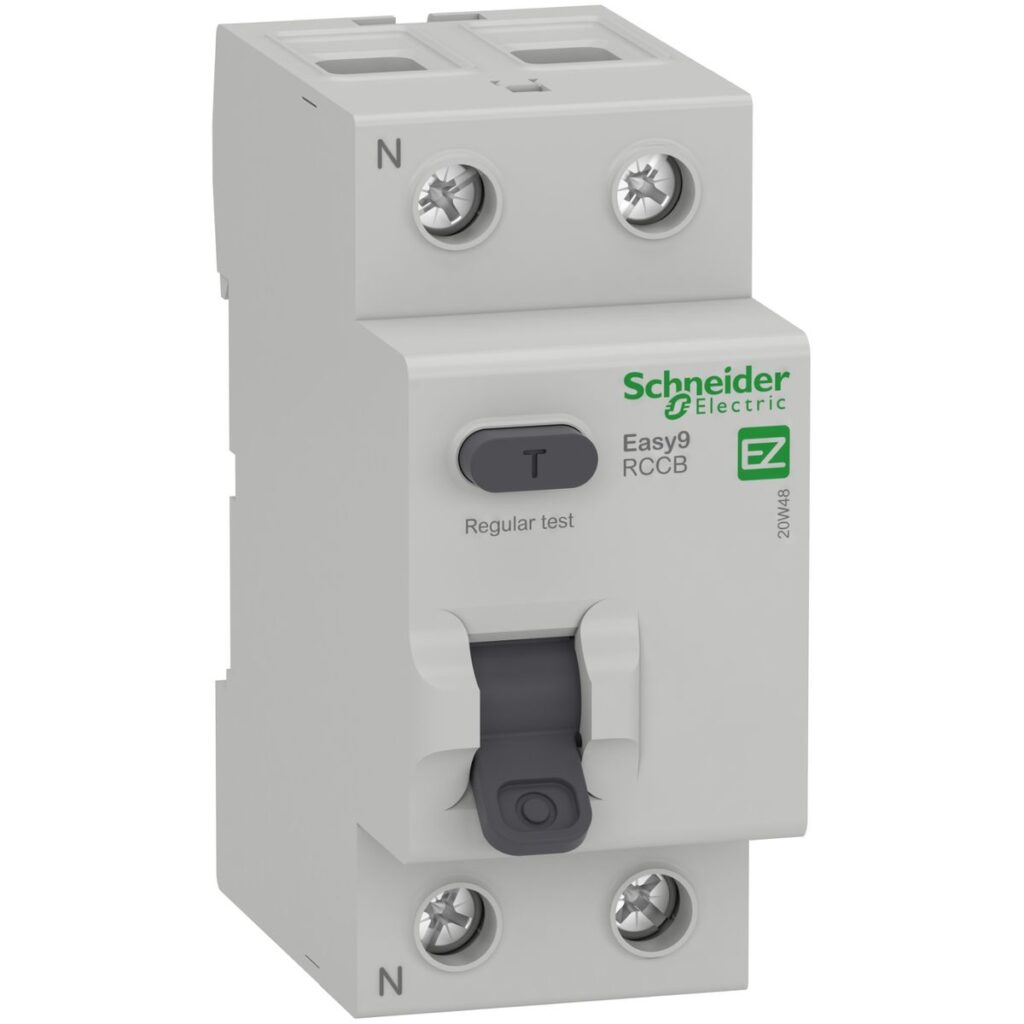
Understand Earth Leakage Tripping:
- Earth Leakage Tripping occurs when an electrical circuit detects an imbalance between the current flowing into the circuit and the current returning through the neutral wire.
- This imbalance can be caused by a fault, such as a short circuit or a leakage of current to the earth.
- An Earth Leakage Unit (ELU) must function properly in order to protect you from being shocked and possible being killed.
- Test your ELU often – press the TEST button on the ELU to check that it does trip. If it doesn’t trip then call an electrician immediately to have it replaced.
Initial Precautions:
- Before starting any troubleshooting, ensure your safety by switching off the power to the affected circuit at the main electrical panel.
- Use appropriate personal protective equipment (PPE) such as insulated gloves and safety glasses when working with electrical components.
Identify the Circuit:
- Determine which specific circuit is causing the Earth Leakage Tripping. This can be done by switching off all individual circuit breakers and then switching them on one by one, observing which circuit triggers the tripping.
Check Appliances and Devices:
- Disconnect all devices and appliances connected to the circuit causing the tripping.
- Gradually reconnect each device one by one and observe if the Earth Leakage Tripping occurs when a specific device is connected.
- If the tripping only happens with a particular device, it may indicate a fault within that device. You may need to have it repaired or replaced.
Inspect Wiring and Outlets:
- Carefully examine the wiring and outlets associated with the circuit.
- Look for any signs of damage, loose connections, or exposed wires.
- Tighten any loose connections and repair or replace any damaged wiring or outlets.
Moisture and Water Intrusion:
- Moisture and water can cause Earth Leakage Tripping. Check for any signs of water ingress near electrical components, outlets, or wiring.
- In a household the appliances combining electricity and water are normally the first ones to cause a problem – fridegs, freezers, washing machines, kettles being the foremost.
- Ensure that all outdoor circuits, such as those for swimming pools or garden areas, are properly grounded and protected against moisture.
Consult a Professional Electrician:
- If you have followed the above steps and are still unable to identify the cause of the Earth Leakage Tripping, it is advisable to consult a professional electrician.
- A licensed electrician will have the expertise and specialized equipment to diagnose and resolve complex electrical issues safely.
Remember, electrical work can be dangerous, so if you are unsure or uncomfortable with any of these tasks, it’s always best to hire a professional electrician for help.
“When employing an electrician to do work that requires adding to your installtion make sure that your chosen professional is a Registered Master or Installation Electrician and, preferably, is also a member of an electrical contractors voluntary association like the Electrical Contractors Association of South Africa (ECA SA). The ECA has a search facility on their web site listing all members. With the ECA you get peace of mind and the comfort knowng that you have a third party to report any concerns or bad workmanship to,” says Straton Electrical.

