
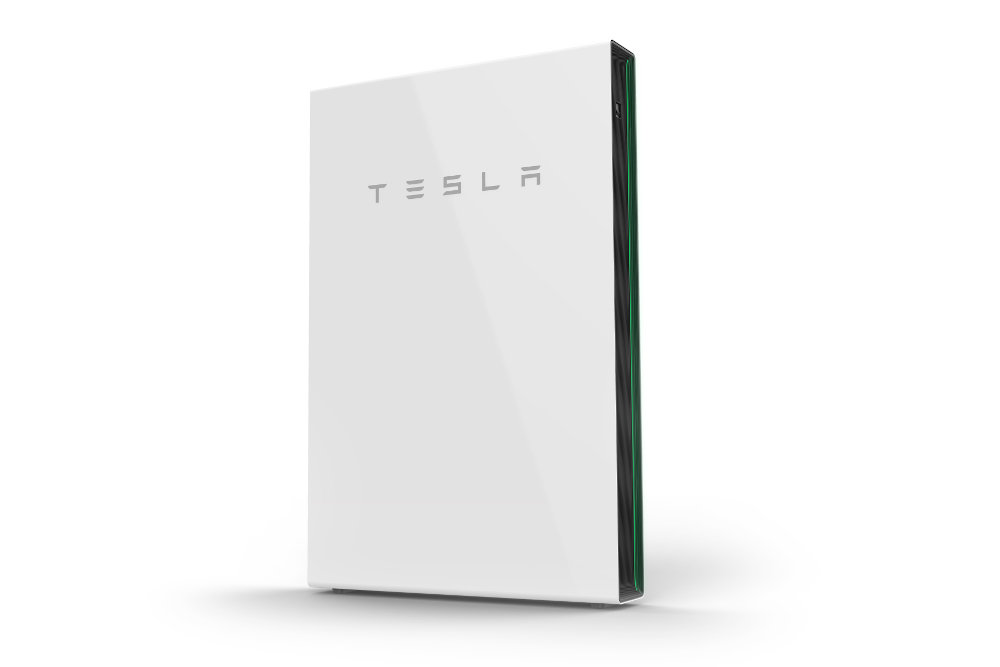
Makro announced this week that they would be supplying a ‘Powerwall’ as part of their on and offline offerings.
A Makro ‘spokesperson’ apparently said that the ‘Powerwall’ would take around 90 minutes to install and come in 5 and 10 kW sizes.
Alan Straton from Straton Solar said; “The only Powerwall that we are familiar with and accredited to supply and install is the Powerwall+ from Tesla which is a 13.5 kW Lithium Ion battery weighing 156 kg.”
“We have fielded a number of calls from Tesla Powerwall owners enquiring about adding a smaller Powerwall (5 or 10 kW), along with a number asking why we took 2 to 3 days to install their Powerwalls whilst Makro quotes an installation time of 90 minutes!”
“There have also been numerous enquiries about our pricing now apparently being too expensive.”
“All in all this ‘announcement’ by Makro has created confusion in the market and negative marketing for the entire legitimate, certified and qualified industry participants,” concluded Straton.
According to Straton Solar the Tesla Powerwall+ takes from 2 to 3 days to install as each installation entails separating existing circuits in the home into an ‘essential’ and non-essential’ distribution board. Some homes will require new cable to be run to plug and light circuits that the owner requires to be on during load shedding.
A qualified electrician must do the installation and issue a Certificate of Compliance upon completion. A CoC can only be issued by a qualified electrician WITH a Wireman’s Licence. If in doubt then head on over to the Electrical Contractor Association (ECA – https://ecasa.co.za) to check.
The 156 kilogram battery needs to be mounted in a specific manner with photographs taken of specific points and connections and readings which all need to be sent to Tesla as proof for the warranty.
The Tesla Powerwall+ has to be connected to the client’s Wi-Fi enabling over the air factory updates, App connection and reporting as well as for diagnostic purposes by the installer and the Tesla Factory.
When installing or purchasing a ‘Powerwall’ make sure that your Powerwall has been supplied and installed by a properly accredited Tesla Powerwall supplier and installer. This will ensure that your 10 year warranty remains valid for what is a premium product.
And, don’t forget to send out those invites to all your friends (and those you want to be jealous of you) for your Tesla Powerwall reveal party – in South Africa’s current loadshedding climate that battery hanging on your wall has greater sex appeal than the red Ferrari parked in your garage!
5 factors that make the Tesla Powerwall solution the best current solar battery storage solution for residential energy storage:
- Cost for 13.5 kWh of usable storage is relatively good value given the high cost of solar energy storage. Better than its peers;
- Built-in battery inverter and battery management system now included in the cost. With many other solar batteries the battery inverter has to be purchased separately;
- Battery Quality. Tesla has partnered with Panasonic for its Lithium-Ion battery technology meaning the individual battery cells should be very high in quality;
- Intelligent software controlled architecture and battery cooling system. Tesla is leading the pack in terms of controls to ensure both safety and smarter functionality; and
- Time-based controls allow you to minimize the cost of electricity from the grid over a day when you face time-of-use (TOU) electricity billing via a slick phone app to set peak and off-peak times and rates and to have the battery work to minimize electricity costs.
About Straton Solar:
Gqeberha based Straton Solar is a division of the Stratlec Group (established in 1966) and has been installing solar energy products for over 20 years. Initially Straton Solar installed renewable energy products (solar panels, batteries and wind vanes) for a multi national telecommunications company. As the prices of product reduced so the wider business and residential market became viable.